Introduction: Don’t Overlook Catamarans
When choosing a boat—whether a powerboat or a sailboat—one of the first things worth considering is the basic hull configuration.
Engines, navigation equipment, electronics, and interiors can all be changed or upgraded to some extent after purchase. But you cannot turn a monohull into a catamaran.
That said, when people start looking for their first boat, they often do not yet have much information about hull design itself.
So in this article, I would like to look at one of the most fundamental aspects of any boat: the shape and configuration of its hull.
Broadly speaking, boats can be divided into monohulls and multihulls.
Among multihull pleasure boats, by far the most common type is the catamaran, with two hulls. Trimarans also exist, of course, but they are rarely seen among ordinary pleasure boats in Japan.
This article compares monohulls and catamarans.
Both have advantages and disadvantages. Monohulls are overwhelmingly more common worldwide, but catamarans also have a loyal following.
Personally, I think monohulls probably have the advantage when overall versatility and serious offshore capability are taken into account.
But catamarans also have qualities that can be very hard to resist once you understand what they do well.
Incidentally, in English-speaking boating circles, catamaran is often shortened simply to cat.
This article mainly focuses on powered pleasure boats—that is, powerboats—and compares the advantages and disadvantages of monohulls and catamarans.
Characteristics of a Monohull
A monohull, as the name suggests, has a single hull.
It is probably the shape most people picture when they hear the word “boat.”
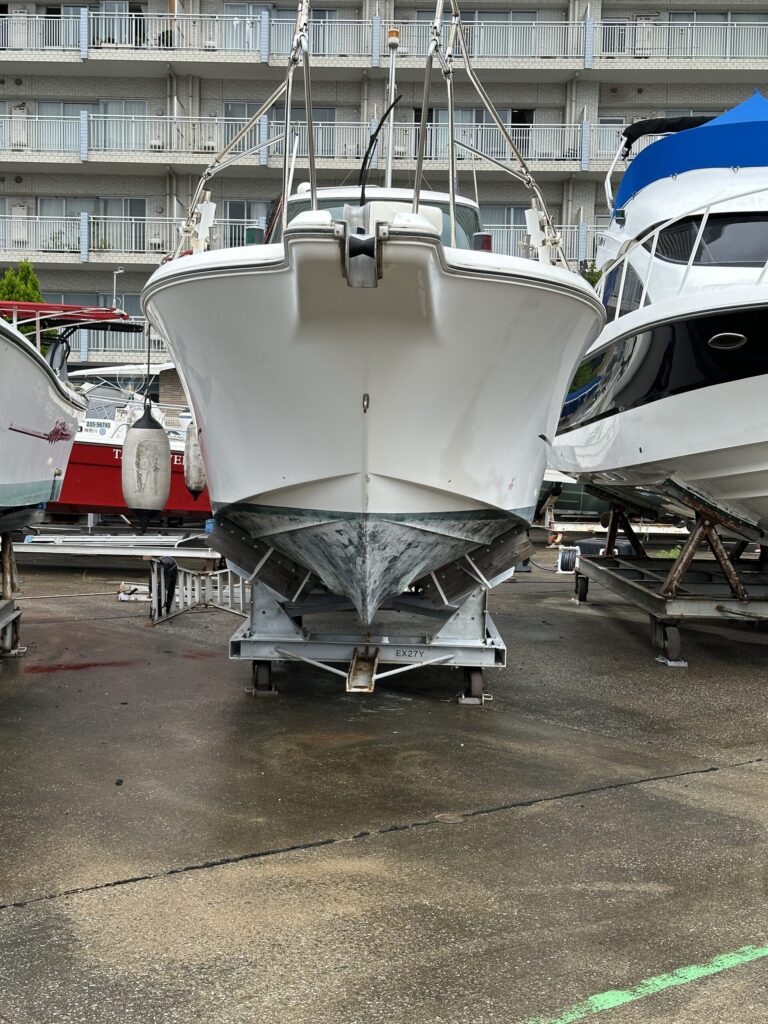 Photo 1. A monohull viewed from the bow. You can easily imagine the hull dividing the water to either side as it moves forward. Photo by the author.
Advantages
- Many monohulls perform well in rougher water
Many high-speed monohulls use some form of V-shaped hull, allowing the bow to divide the water to either side.
Boats intended for offshore use in particular have evolved over many years to cope with increasingly rough sea conditions.
- Natural-feeling behavior in turns
Many monohulls bank inward when turning.
There is something intuitively familiar about this motion, somewhat like a car or motorcycle turning into a corner, and I find it easier to look naturally toward the direction of travel.
- Relatively narrow beam
Compared with a catamaran, a monohull can generally be built with a narrower beam, which gives you more options for berthing and storage.
Trailer boating is not especially common in Japan, but many smaller monohulls are compact enough to be transported by trailer.
- A much wider range of boats and prices
Monohulls dominate both the new and used markets.
There is an enormous range of sizes, purposes, and prices to choose from.
Disadvantages
- More roll while stopped
A monohull tends to roll more when hit by waves from the side or when people move around onboard.
At anchor or while drifting, some people find this uncomfortable or more likely to cause seasickness.
Modern gyro stabilizers can substantially reduce this roll on boats equipped with them.
- Less deck and cabin width for a given length
Because there is only one hull, a monohull generally offers less deck and cabin width than a catamaran of similar overall length.
If spending time onboard with several people is a priority, this difference can become quite noticeable.
Characteristics of a Catamaran
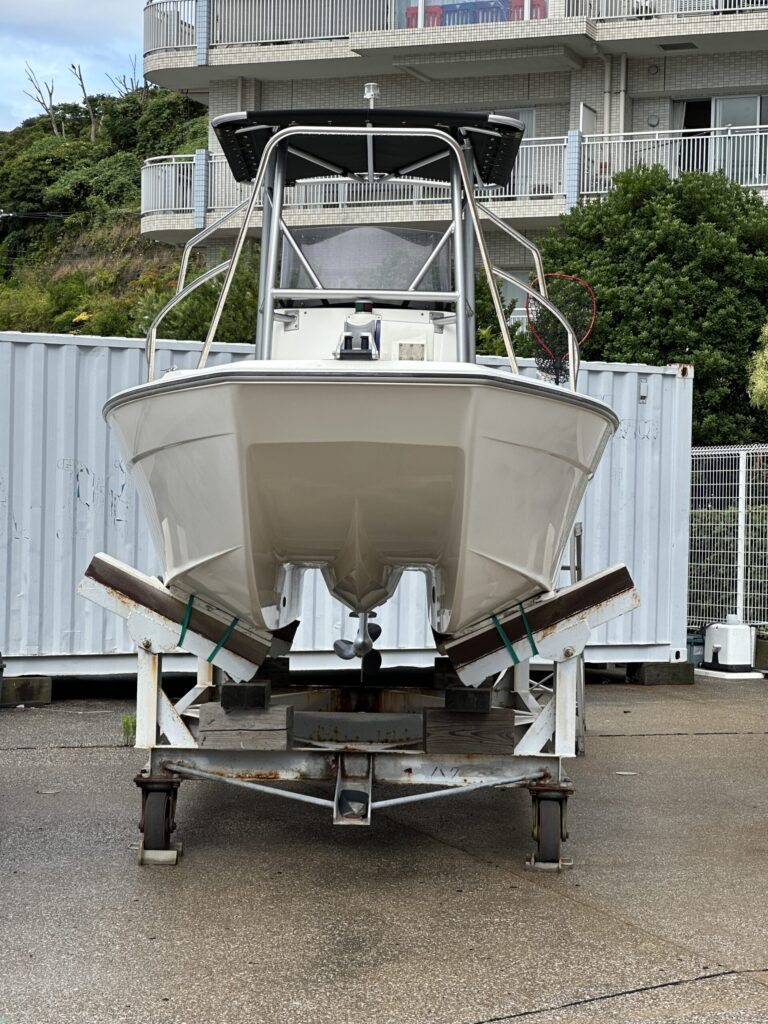 A catamaran has two hulls positioned side by side.
Photo 2. A catamaran viewed from the bow. Photo by the author.
Advantages
- Excellent stability at rest
Because the boat is supported by two hulls spaced apart from one another, a catamaran generally rolls less than a monohull when stationary.
That is a major advantage when eating, fishing, relaxing, or simply spending time onboard.
 Photo 3. The broad deck of a Twin Vee 240 GFX illustrates how much usable space a catamaran can provide for its length.
- Large deck area
Because the space between the two hulls can be used, some catamarans provide a remarkably large deck area compared with monohulls of similar length.
A broad, flat central area can make both living space and working space much more generous.
For families, groups of friends, or anglers who want room to move around, this can be a major attraction.
- Many can be designed with relatively shallow draft
Because buoyancy is provided by two relatively narrow hulls, some catamarans can have quite a shallow draft.
That makes them attractive for shallow-water cruising, sandbars, and similar activities.
Depending on the hull design, another advantage may be that the boat does not lean heavily to one side if it settles onto a sandy bottom as the tide falls.
- They can run very softly in moderate seas
This is one of the great attractions of a catamaran.
The two relatively narrow bows deal with waves separately, and on some designs, air compressed or trapped in the tunnel between the hulls can also help soften the impact.
As a result, in moderate sea conditions a catamaran can sometimes feel noticeably softer than a monohull.
When the waves remain low enough that they do not directly strike the bridgedeck underside or the structure joining the two hulls, some catamarans can be exceptionally pleasant boats to run.
- Efficient hull forms are possible
Using two narrow hulls can reduce hydrodynamic resistance in some designs.
That does not necessarily mean a catamaran will have a higher top speed, but some can achieve useful cruising speeds with relatively modest power, which can also be attractive from a fuel-efficiency standpoint.
Disadvantages
- Turning behavior varies considerably between designs
Catamarans do not all behave the same way in a turn.
Some bank outward, some remain relatively flat, and others bank inward more like a monohull.
When I rode on the New Japan Marine NSC265 mentioned later in this article, it actually banked inward through turns much like a monohull.
So it is difficult to make a blanket statement about how “a catamaran” turns.
- Weaknesses begin to appear once sea conditions become severe enough
This is important when thinking about the basic character of a catamaran.
Up to a certain point, a catamaran can run remarkably softly through waves.
But as the sea becomes rougher and wave crests begin to reach the structure joining the two hulls, the situation changes.
 Photo 4. The area between the bows is left as an open trampoline rather than being completely covered by a solid deck, allowing water to pass through.
If waves strike the underside of the bridgedeck between the hulls, the impact can be considerable.
And if enough water comes over the bows, the broad structure between them and the forward deck can suddenly be exposed to a large mass of water, potentially disturbing the boat’s progress substantially.
In other words, a catamaran can be very soft-riding in moderately rough conditions, but once the sea becomes rough enough, the large structural surfaces exposed to waves and seawater can become a disadvantage.
The photograph above shows a sailing catamaran, but it provides an easy way to visualize the relationship between waves and the structure connecting the two hulls.
If the entire area between the bows were covered by a solid deck, water reaching that height would act directly against that surface.
A mesh trampoline, by contrast, allows water to pass through.
Boat design is fascinating.
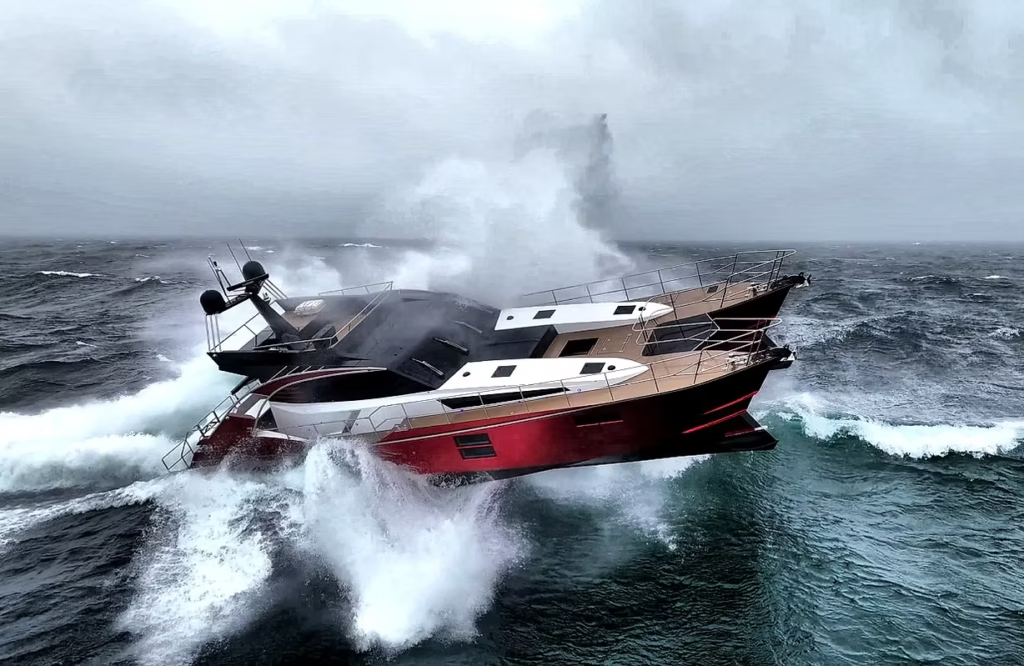
Photo 5. Another example of an offshore catamaran that avoids covering the entire forward area with solid deck structure, allowing waves and seawater to pass through rather than taking the full impact.
If we step back and look at the issue more broadly, there is something else I find interesting.
Most large ships designed to cross oceans are monohulls.
Even enormous aircraft carriers—which are not designed and operated under exactly the same economic constraints as ordinary commercial ships—are fundamentally monohulls.
Of course, that does not prove that a monohull is inherently superior to a catamaran for ocean passages.
Large ships have many other design constraints, including structural strength, cargo capacity, port infrastructure, and much more.
Even so, when a vessel must cross oceans without being able to choose in advance what sea conditions it will encounter, I suspect there is a great deal of logic in having one large hull deal with the sea as a single structure.
Looking at the same issue from the opposite direction leads to another implication for catamarans.
If you can choose the weather before departure, stay in port when conditions are bad, and avoid going far offshore, a catamaran can become a very strong choice.
A pleasure boat gives you that freedom.
- Higher prices and fewer choices
Compared with monohulls of similar length, catamarans can be relatively expensive.
In Japan in particular, both the new and used markets are much smaller, which naturally limits the available choices.
That said, Japan does have a long-established builder called New Japan Marine, which produces some very attractive catamaran powerboats.
- Berthing and storage can be more restrictive
The price of that broad deck is, of course, greater beam.
A catamaran may not fit into a conventional monohull berth, and storage ashore can also become more difficult.
Before buying one, it is worth checking not only whether the boat suits you, but whether you actually have somewhere suitable to berth or store it.
Which Should You Choose?
The question is not whether a monohull or a catamaran is universally better.
The answer depends on how you actually intend to use the boat.
| What matters most to you | Hull type worth considering |
|---|---|
| You often travel far offshore | Monohull |
| You need to operate without being able to choose ideal sea conditions | Monohull |
| You want the widest choice of berths and storage options | Monohull |
| You want the largest possible choice of new and used boats | Monohull |
| Comfort while anchored or drifting matters most | Catamaran |
| You want a large deck for family and friends | Catamaran |
| You want access to shallow water or sandbars | Catamaran |
| You can choose your departure days and stay home in bad weather | Catamaran becomes a very strong option |
| You mainly enjoy coastal boating rather than going far offshore | Catamaran becomes a very strong option |
This may actually be the most important point I want to make in this article.
A catamaran is probably not the universal answer for going anywhere, in any sea condition.
But a pleasure boat does not have to go to sea in bad weather.
You can look at the forecast, choose when to leave, and simply stay in port when conditions are poor.
And you do not necessarily have to travel far offshore.
If that is how you intend to use your boat, you can avoid many of the conditions in which the weaknesses of a catamaran begin to appear.
At the same time, you can enjoy its major strengths: stability at rest, a large deck, shallow draft, and a soft ride in relatively calm to moderately rough conditions.
Seen that way, a catamaran can be a very strong candidate even for your first boat.
I Seriously Considered Buying One
When I was choosing my first boat, I actually gave serious consideration to buying a catamaran.
The boat I was interested in was the NSC265 from New Japan Marine.
P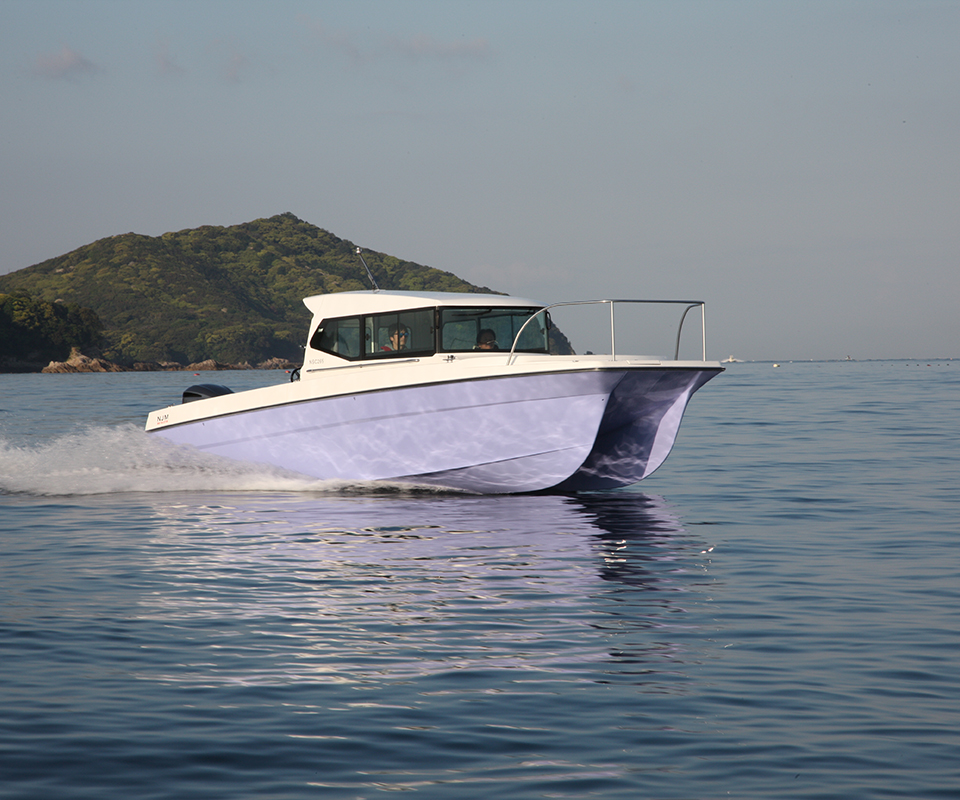 photo 6. New Japan Marine NSC265. Photo from the NJM website.
You can find the specifications on the manufacturer’s website, but the main reason it caught my attention was very simple:
I thought it looked fantastic.
I also found it reassuring that it was built by a domestic Japanese manufacturer.
When I actually rode on one, I also discovered that a catamaran does not necessarily bank outward in a turn. The NSC265 banked inward much like a monohull.
In the end, however, I decided not to buy it because it did not match all of the requirements I had for my own boat, as I explained in “My Boat: Jeanneau Merry Fisher 895 Sport”.
Even so, I see NSC265s fairly often at the marinas I visit.
There are several at my own marina, and recently another beautiful all-white example appeared in the dry-storage area.
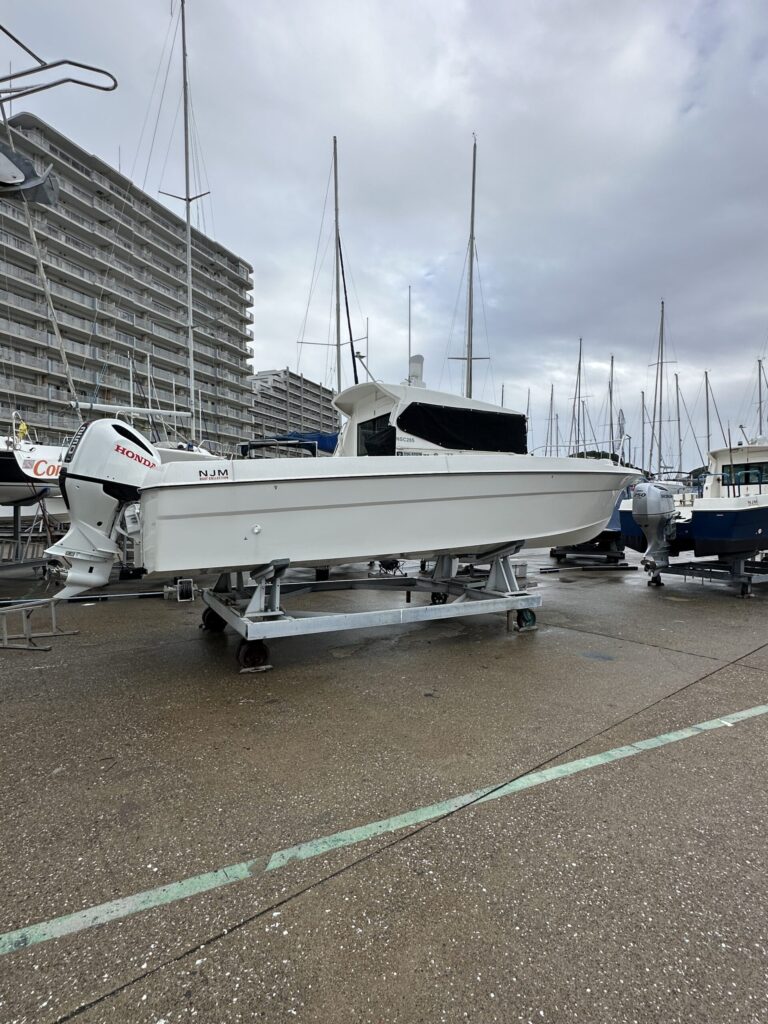 Photo 7. An all-white NSC265. I have to say, it looks fantastic. Photo by the author.
Conclusion: Choosing a Boat Depends on How You Use It—and a Little Luck
Both monohulls and catamarans have their attractions.
I do not think one can simply be declared superior to the other.
What matters is matching the characteristics of the hull to the way you actually intend to use the boat.
Do you want to travel far offshore?
Do you need a boat that can operate even when the sea is less than ideal?
Or do you prefer to choose your weather, stay relatively close to shore, and spend comfortable time onboard with family or friends?
If the latter describes your boating, a catamaran can be an extremely attractive option.
I think it would be a little sad to buy a monohull and only later discover:
“Wait—boats like this existed too? A catamaran might actually have suited the way I use a boat better.”
But that is also part of buying things.
No matter how much research you do beforehand, a certain amount of luck is always involved.
Discovering an option you did not know about until after the purchase—and perhaps regretting it a little—is one form of learning.
Finding creative ways to enjoy the boat you already bought is another.
There are many things you simply cannot know until you actually own a boat and use it.
That is exactly why it is worth learning about as many options as possible before buying.
Ask yourself what matters most:
The ability to deal with rough seas?
Comfort at anchor?
A large deck?
Access to shallow water?
More freedom when choosing a berth?
Think about those priorities before choosing your boat.
And when you make your shortlist, I think a catamaran is well worth including.
Want to know more about the author and the thinking behind this site?
→ About Rikutsu-Kone-Taro
