Introduction | Photographing Birds in Flight from a Rocking Boat
Photographing birds in flight with a super-telephoto lens is challenging enough on solid ground. On a rocking boat, both the bird and the photographer are moving.
For someone with little experience in bird photography, like me, Rikutsu Konetaro, this was quite a challenge.
This is the story of the day I finally felt I had successfully photographed a bird in flight, using an OM SYSTEM OM-1 and a 100-400mm F5.0-6.3 lens off the coast of Yokosuka, Japan.
1. Three OM-1 Bodies, Ready for Anything
When you’re out on a boat, you never know when or where a photo opportunity will appear.
To avoid missing those moments, I brought 3 OM-1 bodies, each fitted with a different lens:
- 7-14mm F2.8 for wide-angle scenes
- 12-100mm F4 for general-purpose photography
- 100-400mm F5.0-6.3 for distant subjects
With all 3 ready, I could switch cameras instead of changing lenses.
Photo 1 shows the setup. From right to left are the 100-400mm, 12-100mm, and 7-14mm lenses mounted on their respective OM-1 bodies.
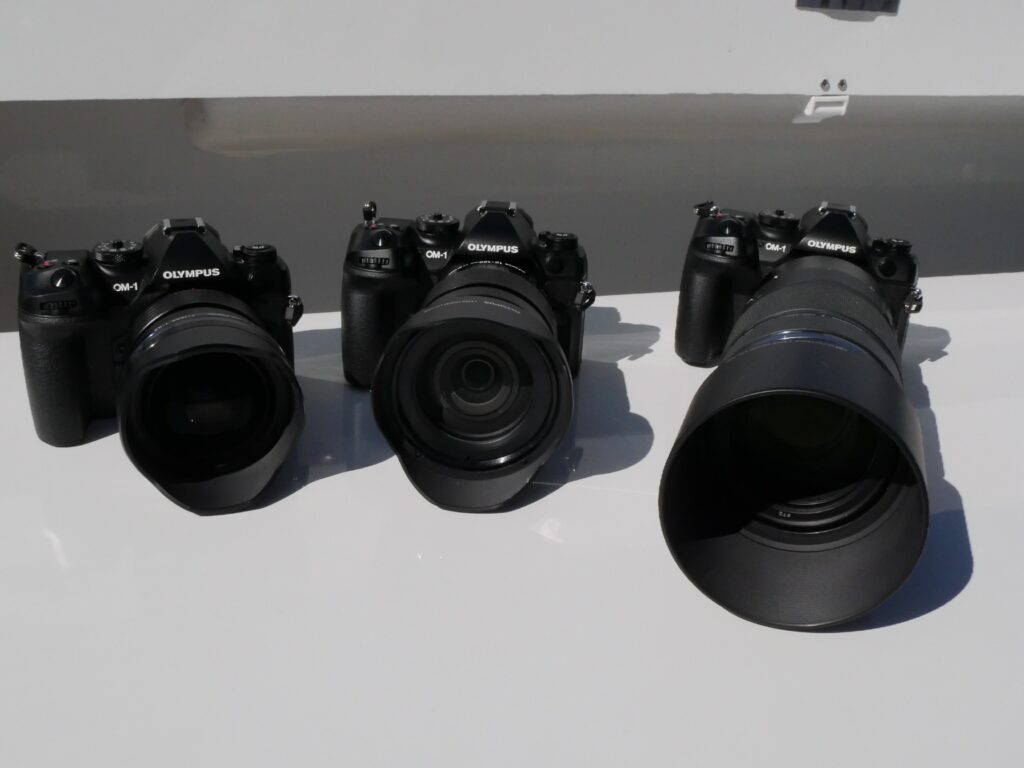
Photo 2 was taken at 7mm.
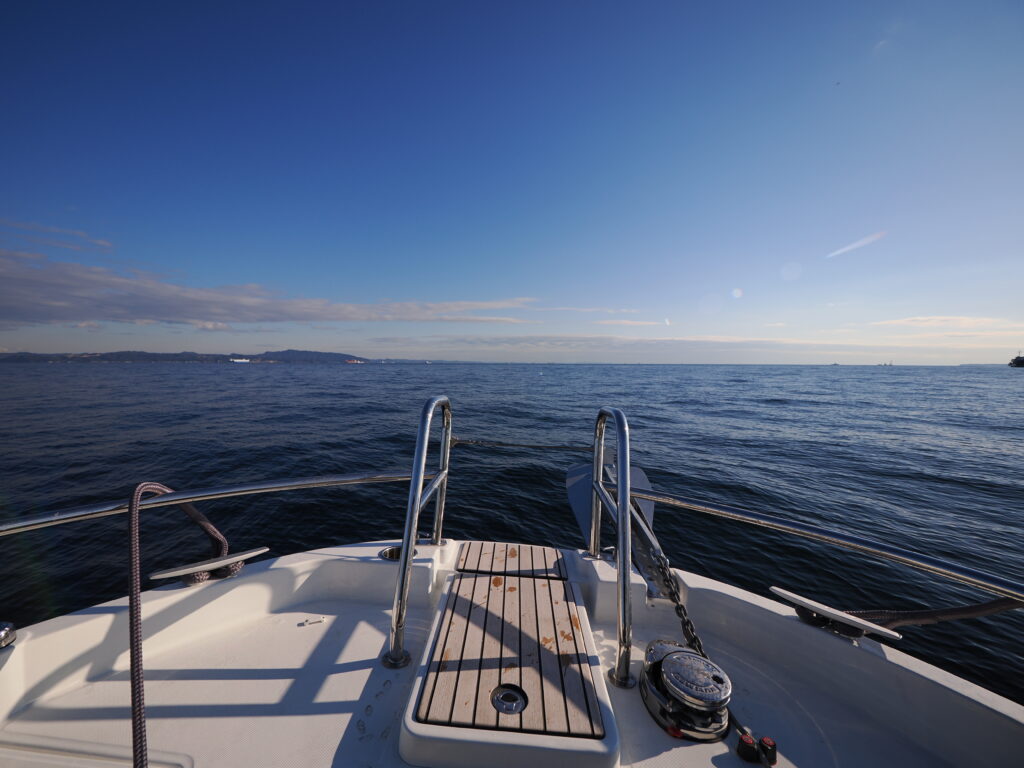
Photo 3 was probably taken at 100mm.
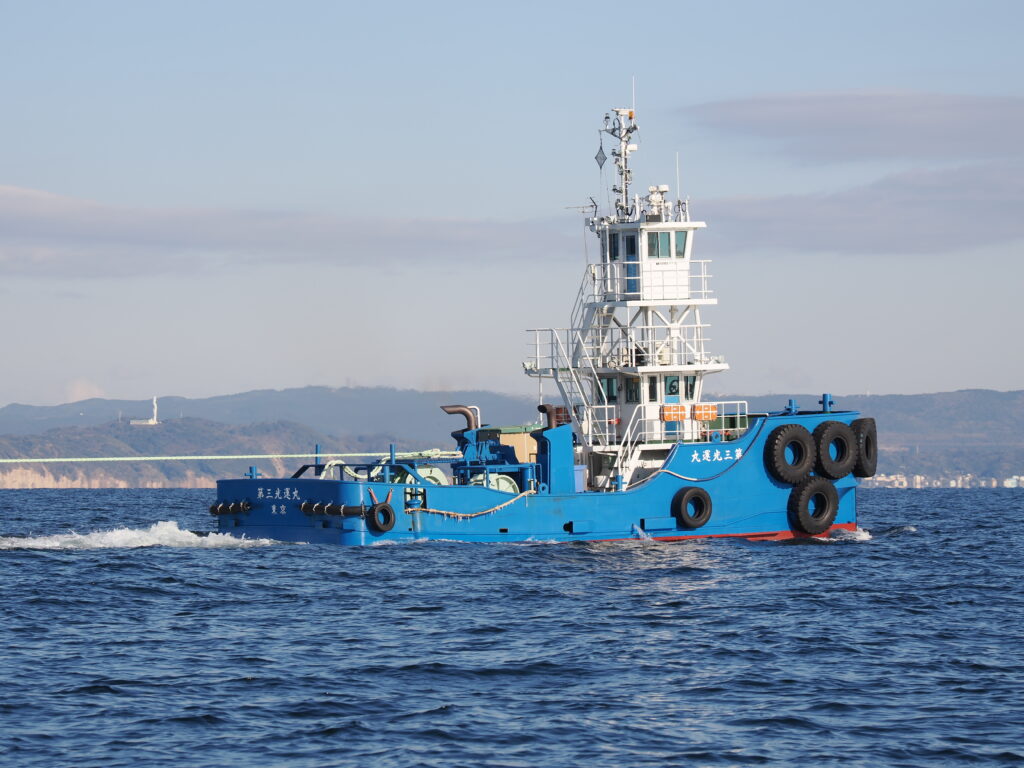
Photo 4 was taken at 400mm.
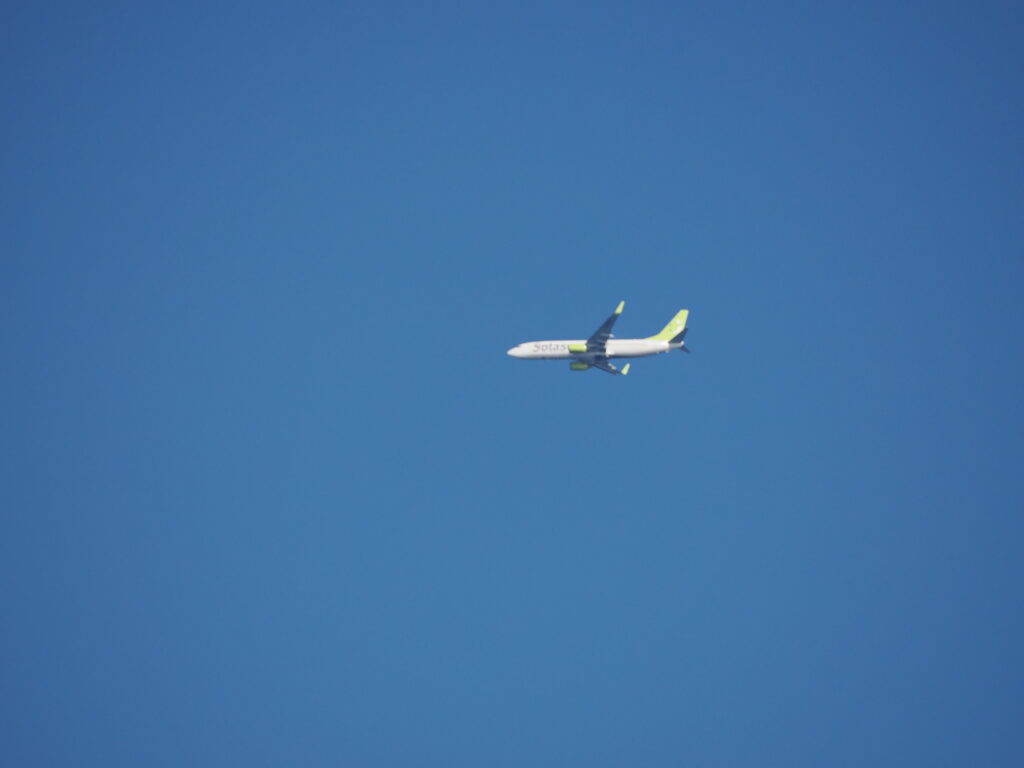
The idea was simple: keep the right equipment ready for subjects at any distance.
2. A Tiny Speck off Yokosuka | Tracking from 100mm to 400mm
With all that equipment ready, I was eager to shoot.
I was taking casual photographs with the OM-1 and 12-100mm F4 while moving slowly off Yokosuka when I spotted a tiny speck in the sky—way, way off in the distance.
A bird!
I immediately grabbed the OM-1 fitted with the 100-400mm F5.0-6.3.
Starting at 100mm, I found the bird in the viewfinder and gradually zoomed toward 400mm while keeping it in sight.
Burst after burst after burst.
The bird kept flying, and the boat kept rocking. As I zoomed in, keeping the bird in the frame became increasingly difficult.
Somehow, I managed to follow it all the way to 400mm.
Acquire the bird at the wide end, then zoom in while tracking it.
For the first time, that approach seemed to work.
3. The Photographs | My First Real Sense of Success
I took several dozen photographs. Photos 5–12 are a random selection from that sequence, all unedited.
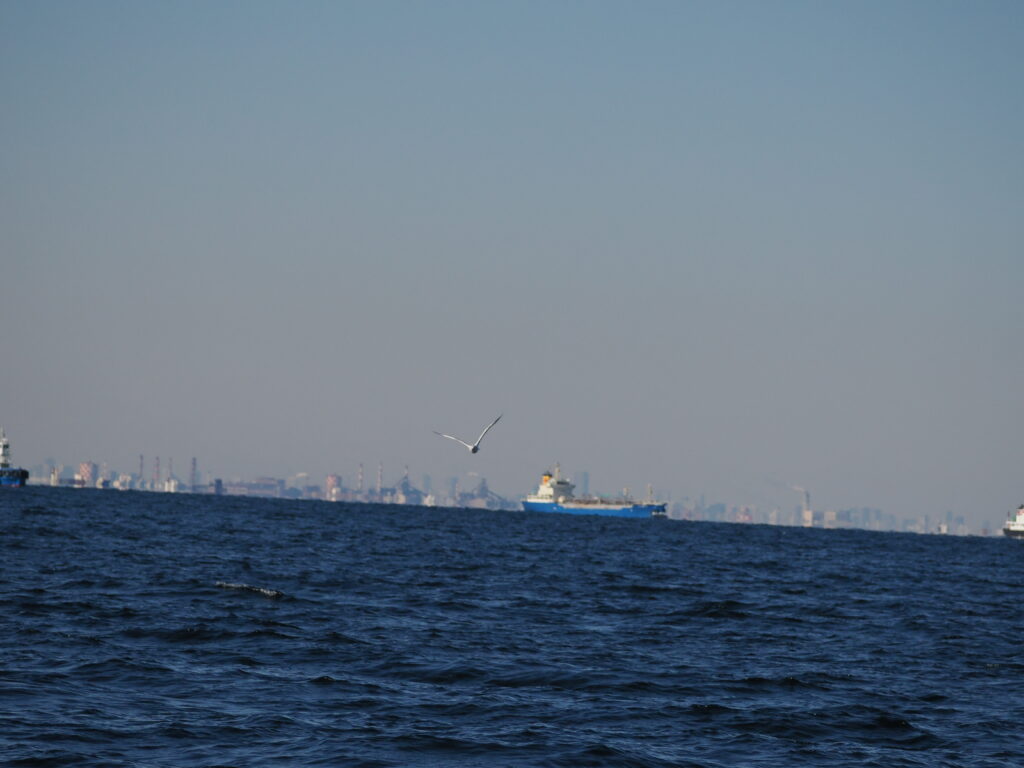
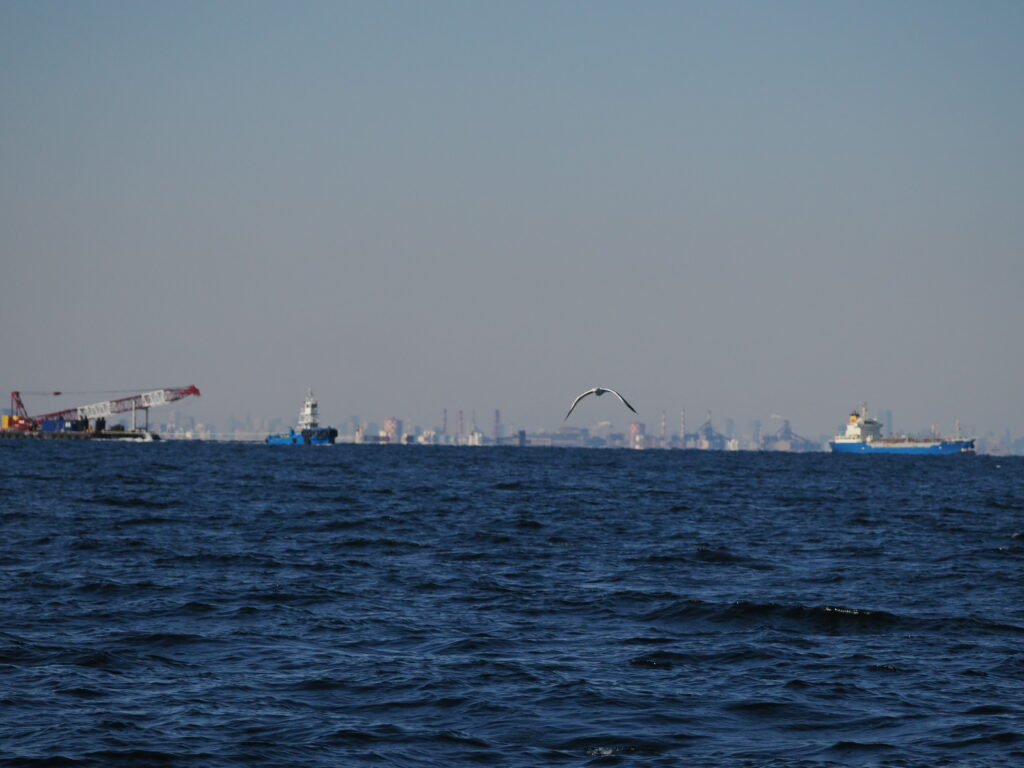
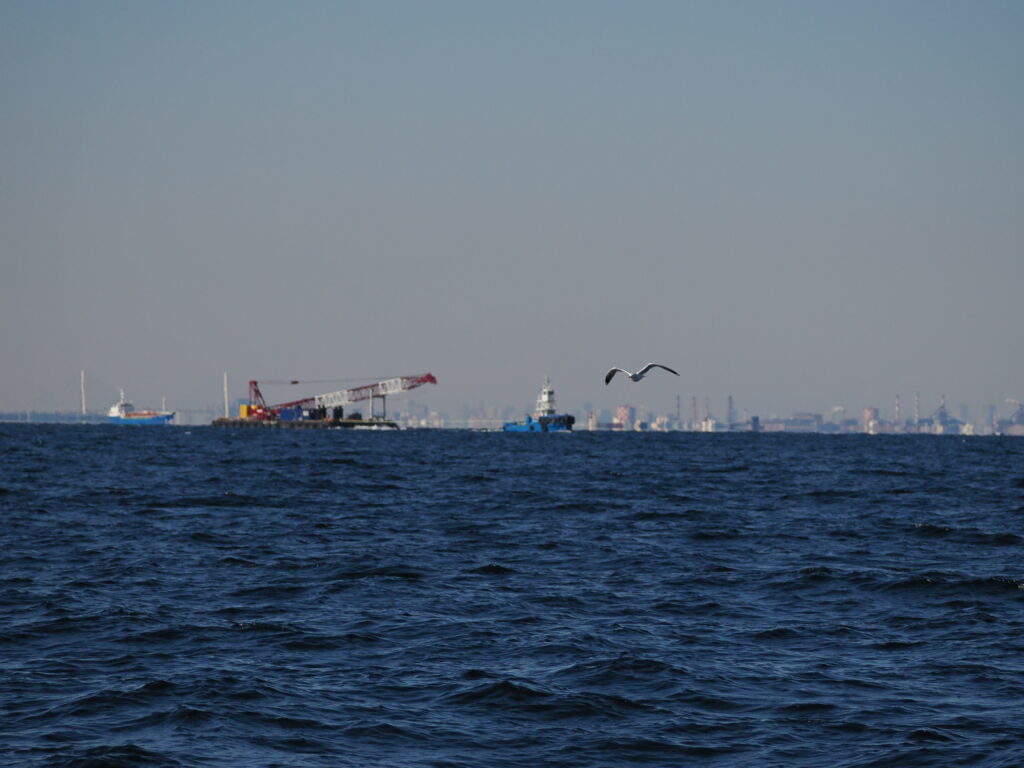
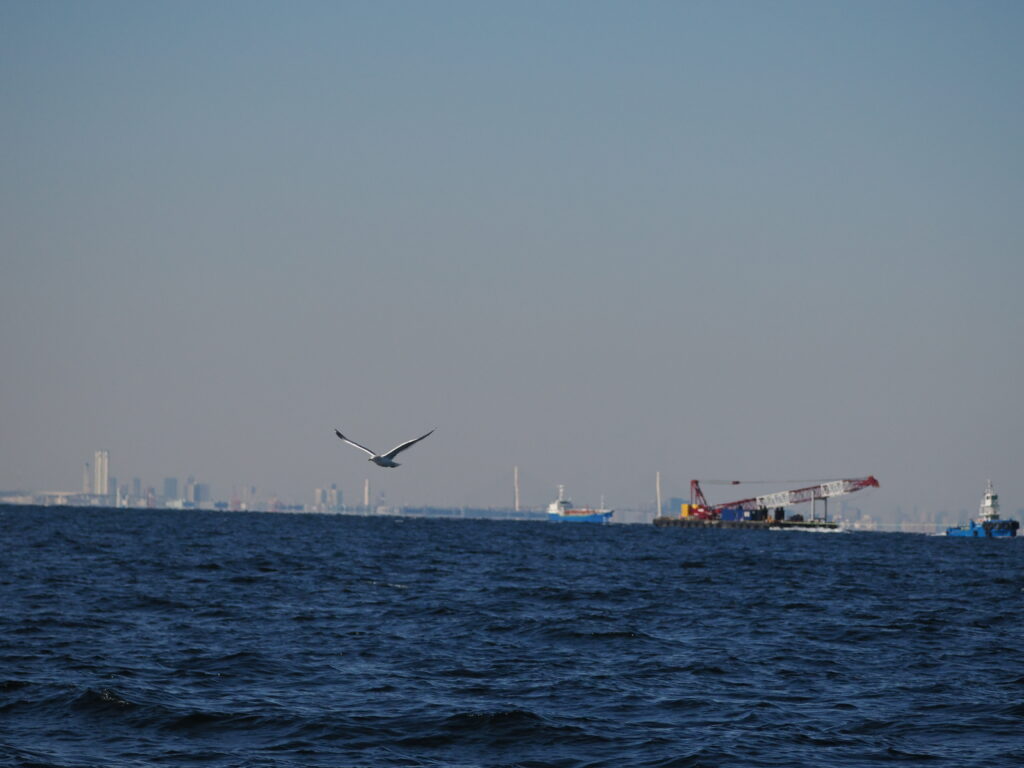
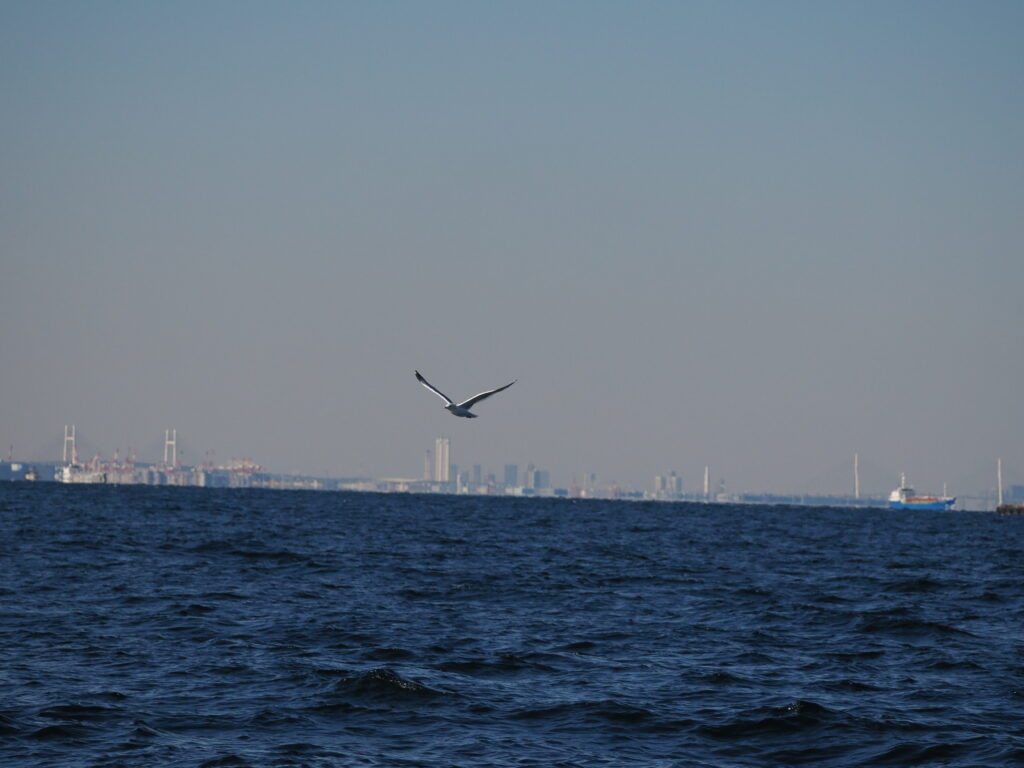
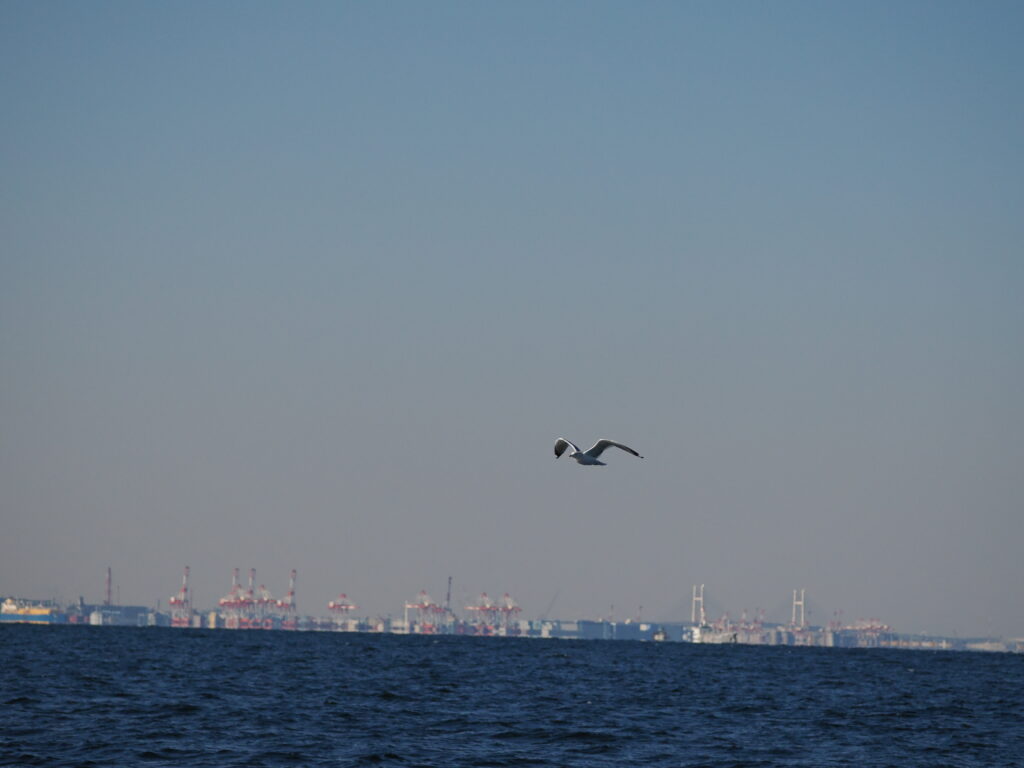
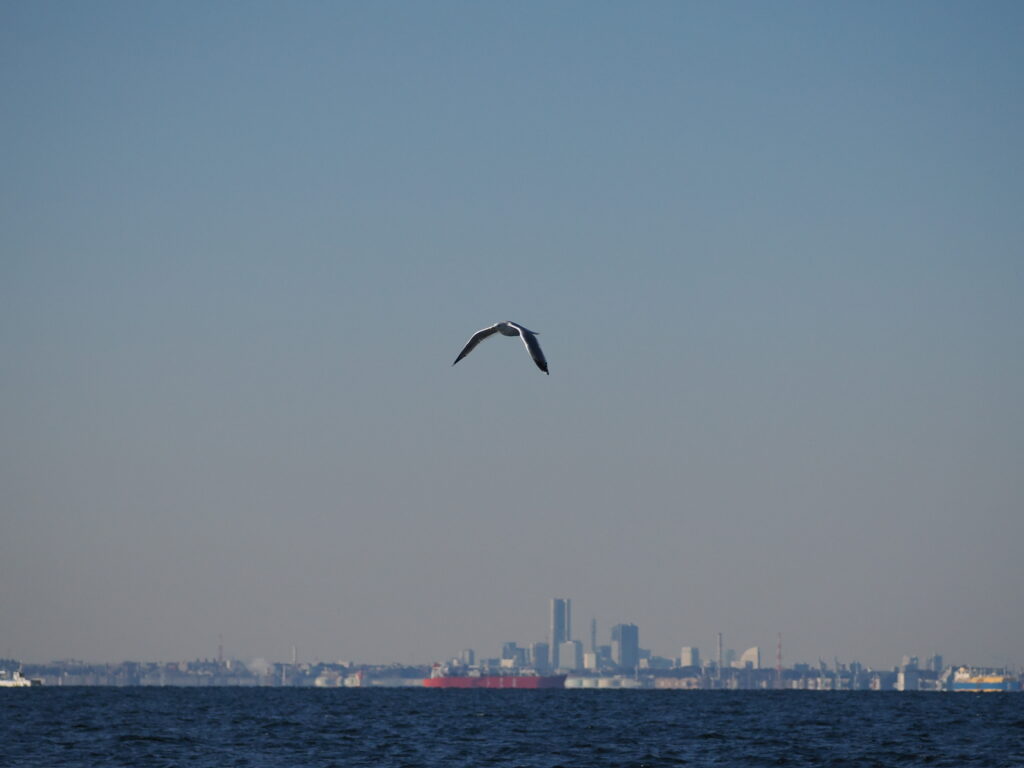
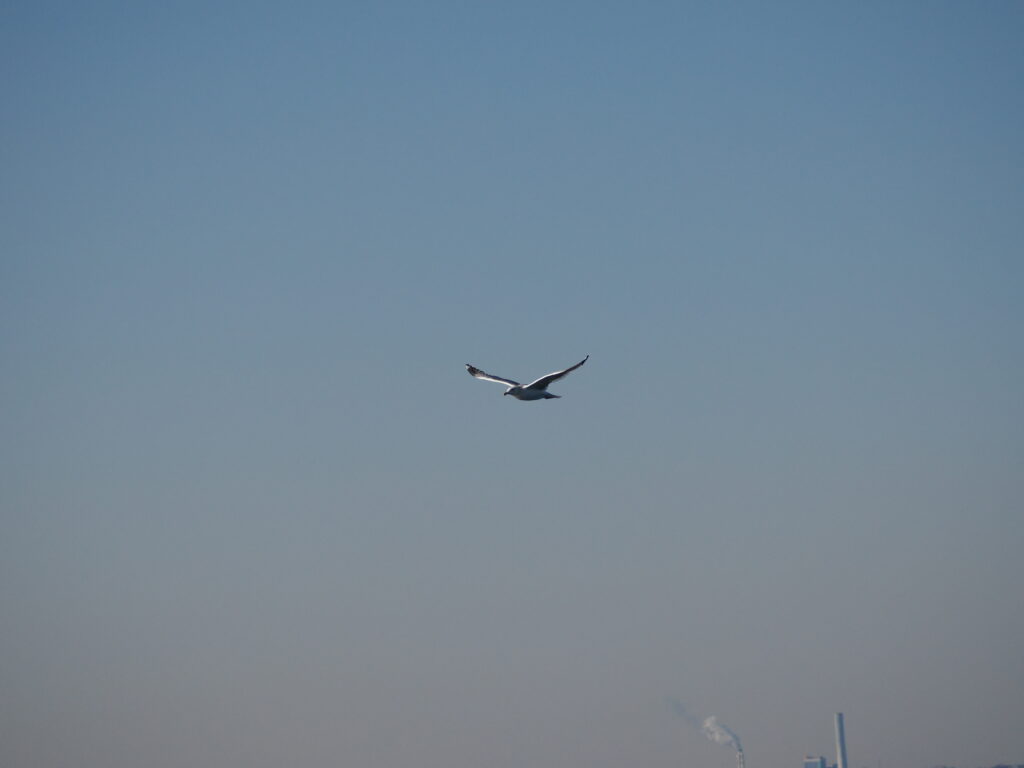
Photo 13 is an enlarged crop of the bird in Photo 12.
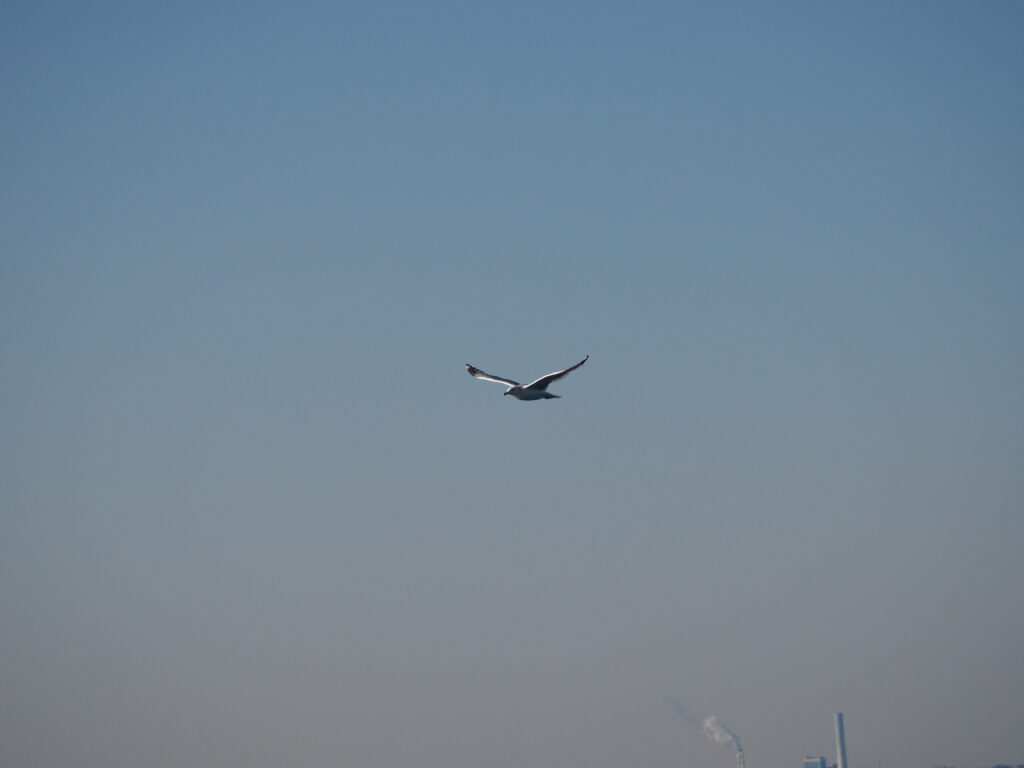
I think the bird is reasonably well focused. I’ll allow myself a little self-congratulation: I actually managed to produce a recognizable photograph!
There is plenty of room for improvement, of course. But I had tracked a moving bird from a rocking boat and captured it in a photograph.
My rather peculiar goal—one that might leave other people wondering why I would bother—had finally been achieved.
What pleased me most was the feeling that I had found the subject, followed it through the viewfinder, and turned my own actions into a photograph.
4. Next Time, I Want to Capture Something Extraordinary
Once you manage to get a shot, you naturally want a better one.
I want to develop a sharper eye for spotting subjects, better instincts, and the ability to get closer to them.
Someday, I’d like to capture a moment that makes someone say:
“Wow! I didn’t know moments like that existed!”
That ambition eventually led me to buy the EE-1 red-dot sight, hoping to acquire flying birds more quickly and reliably.
I have written about its operation, benefits, and drawbacks in OM-1 + EE-1 Red-Dot Sight ★ How I Frame and Track Birds in Flight
My first successful attempt made photographing birds in flight even more enjoyable.
I’ll keep practicing.
Explore Other Subjects
These automotive articles are one part of a broader collection covering boating, fishing, photography, technology, human behavior, history, and life decisions.
English Articles : A Topic-by-Topic Guide to This Site
Want to know more about the author and the thinking behind this site?
→ About Rikutsu-Kone-Taro
