I replaced the original trim tabs on my Jeanneau Merry Fisher 895 Sport with Seakeeper Ride. The boat is powered by twin Honda 250 hp outboards.
In this article, I want to share what I noticed after spending about two weeks with the system.
What follows is based on what I actually experienced on my own boat, together with my own interpretations of why it behaved the way it did.
Ride comfort on a small powerboat is not always what most people would call comfortable.
Depending on the sea state, the hull can hit the water hard enough to produce repeated bangs and thumps. First-time guests can be surprised by the impact and even wonder whether the boat might be damaged.
The boat itself can take it, but repeated impacts still create a fair amount of physical and mental fatigue for the people onboard.
By the time you reach your destination, you may already be tired enough that you have less energy left to enjoy whatever you went there to do.
If the owner grows tired of the ride, or family and guests begin avoiding the boat because they dislike the pounding, it is easy to imagine using the boat less and less.
After owning a boat myself, I can understand how that happens.
There are certainly hull forms designed to soften the impact of waves.
But once I consider the cabin space, usability, and the other things I want from a boat, I am very happy with my Merry Fisher 895 Sport.
So rather than changing boats, I wanted to make this one more comfortable underway.
That was when I came across a demonstration of Seakeeper Ride.
Later, I met a Seakeeper dealer at the Yokohama Boat Show and decided to install Seakeeper Ride on my boat.
After about two weeks of running the boat in different conditions, a few things became much clearer.
The Short Version | Manual Feels Different, and Auto Goes Further
After about two weeks, two things stood out.
1. Even in Manual, the Ride Feels Calmer Than With My Previous Trim Tabs
In Manual mode, the blade position is set by the operator and essentially remains where it is set.
Even in this mode, compared with the conventional trim tabs I had before, I feel that:
- there is less pitch and roll
- the hull pounds less often
- the impact when the hull comes back onto the water feels softer
- the boat gets onto plane more quickly
2. Auto Reduces the Movement and Pounding Further
In Auto, Ride automatically adjusts the blades in response to the boat’s movement.
On my boat, the change is not a dramatic instant transformation.
After a few moments—sometimes a few seconds—I begin to notice:
“The boat is moving around less.”
“It is not pounding as much.”
The transition onto plane also feels quicker.
Overall, Seakeeper Ride has made a substantial difference on my boat.
Longer runs are less tiring, I can comfortably maintain a higher speed, and above all, the boat is more enjoyable to drive.
Why Does Manual Feel Better Than My Previous Trim Tabs?
From here on, this is my own interpretation.
First, compare the conventional trim tabs that were previously installed on my boat with Seakeeper Ride mounted on the transom.
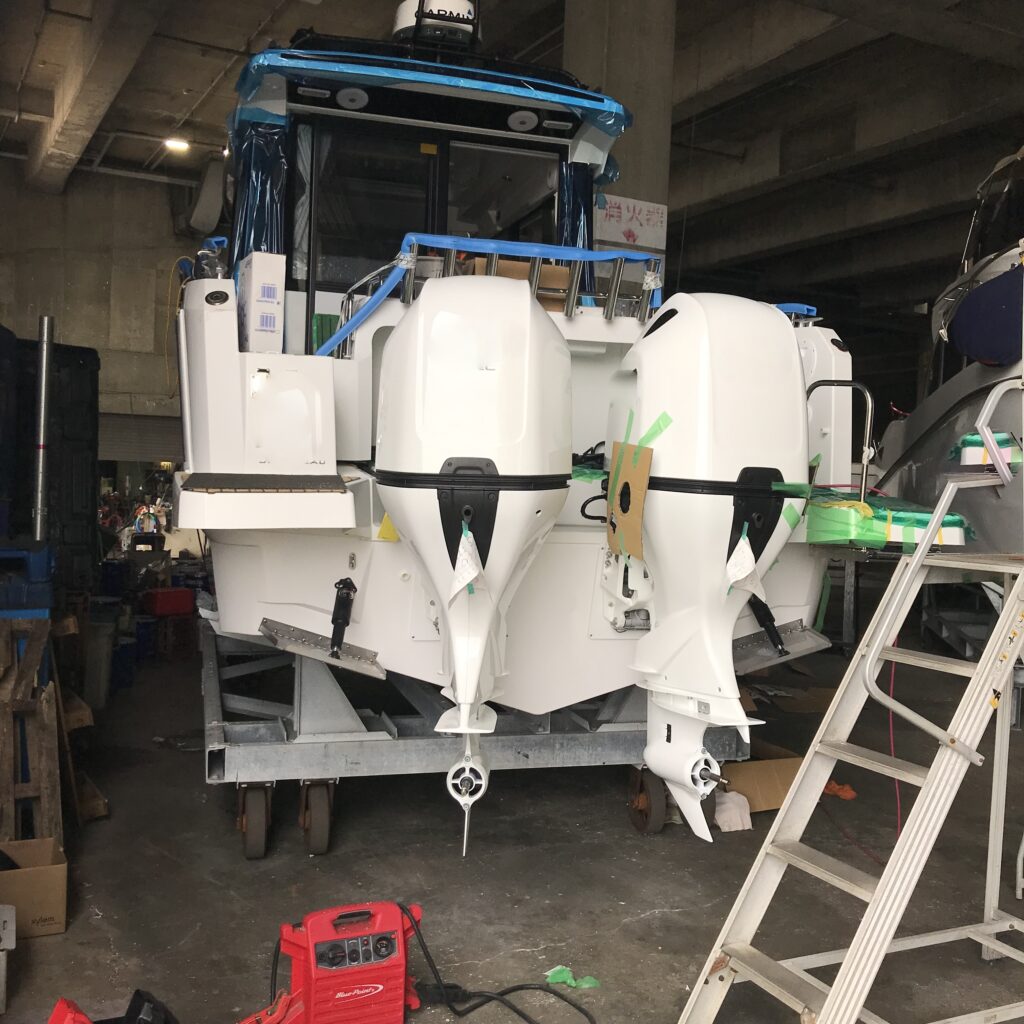
Photo 1. The conventional trim tabs previously fitted to my boat Seakeeper Ride installed on the transom
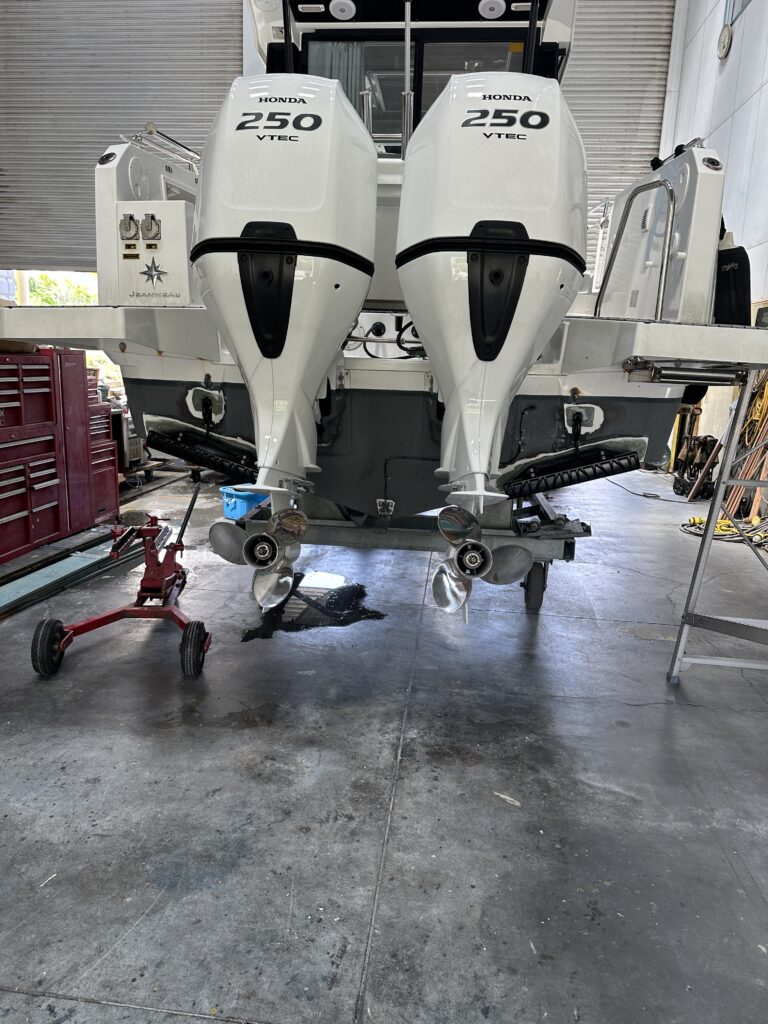
Photo 2. Seakeeper Ride during installation
The first thing I notice is that Seakeeper Ride is wider across the transom.
The blades and mounting structure also look considerably more rigid.
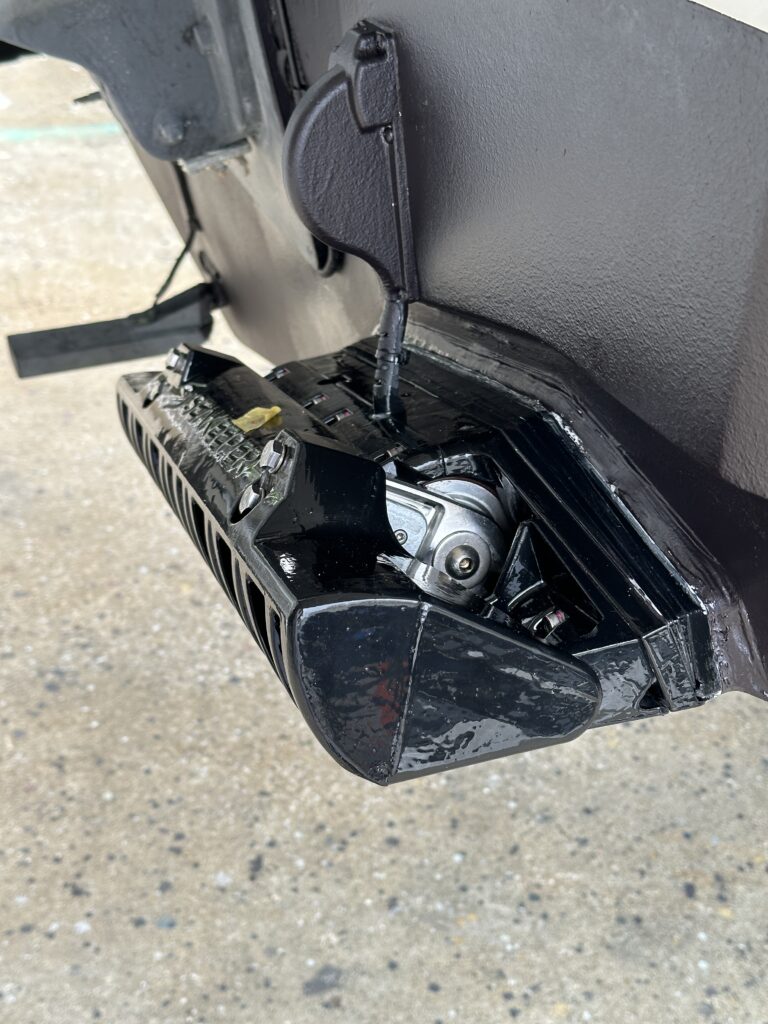
Photo 3. The blade is wide, and the mounting structure looks very substantial
I had used the previous trim tabs on this boat for about a year and a half.
The difference between that setup and Seakeeper Ride in Manual mode is quite noticeable to me.
With Ride, the boat moves around less, the landings feel softer, and it gets onto plane more quickly.
My impression is that the greater span and the structural differences themselves may contribute to the different feel even in Manual mode.
In other words, before Auto control even enters the picture, the way the Ride blades interact with the stern seems quite different from the conventional trim tabs I used before.
Auto Does Not Create an Instant Dramatic Change on My Boat
In demonstration videos, switching Ride on can produce a very obvious reduction in pitching.
Before installation, I expected something similar.
My Merry Fisher 895 Sport behaves a little differently.
After switching to Auto, I usually run for a few moments—sometimes several seconds—before I begin to think:
“The movement has settled down.”
“The boat is pounding less.”
It does not feel as though the Ride system itself is slow to respond.
Rather, it takes a little time before I perceive the overall behavior of the boat as having settled.
My guess is that the boat’s weight distribution and inertia, particularly toward the bow, have something to do with this.
The demonstration boats I have seen are relatively light center-console boats.
My Merry Fisher 895 Sport has a cabin and accommodation, with a meaningful amount of mass farther forward.
On a lighter boat, the bow movement can be visually obvious, so when Ride reduces that motion, the difference may also be immediately obvious.
On my boat, the change presents itself more gradually.
A Half-Day Tells Me More Than a Short Test Ride
This is probably the point I would most want to make to someone considering Seakeeper Ride.
On a relatively heavy cabin boat like mine, a short demonstration in which you switch between ON and OFF may leave you thinking:
“The difference is not as dramatic as I expected.”
Spend half a day or a full day running the boat, however, and the impression changes.
After traveling in different directions, meeting waves from different angles, and sometimes running at higher speeds, I find myself thinking:
“This really is different. It is much easier.”
There have been many occasions when I have felt:
Without Ride ON, maintaining this speed in these conditions would be hard work.
A difference that may seem modest in a brief ON/OFF demonstration becomes much more obvious to my body after several hours underway.
For me, that is where much of Seakeeper Ride’s value lies.
Could Wider Trim Tabs Alone Improve Ride Comfort?
Walking around the marina and looking at boats stored ashore, I notice that many outboard-powered boats are fitted with trim tabs.
My Merry Fisher 895 Sport also had trim tabs installed when it was delivered.
Comparing those conventional tabs with Ride made me wonder about something.
Could simply fitting wider, sufficiently rigid trim tabs make a noticeable difference to the ride of an outboard boat?
If they helped the boat get onto plane sooner and softened the way the hull returned to the water, that alone could make driving more enjoyable.
Seakeeper Ride then adds something beyond that: fast automatic control in Auto mode.
On my boat, the benefit of Ride seems to come from both the basic change I feel even in Manual mode and the active attitude control added in Auto.
Seakeeper Ride Has Made Going Fast Easier
Since installing Seakeeper Ride, I can comfortably maintain higher speeds in similar sea conditions.
With less movement and pounding, the psychological strain of holding those speeds is also lower.
As a result, driving the boat itself has become more enjoyable.
High speed still has an edge of fear.
At the same time, there is something almost intoxicating about covering water quickly, with the horizon coming toward you and the sea passing under the hull.
Seakeeper Ride lets me enjoy more of that feeling with a calmer boat underneath me.
For me, that has been one of the biggest benefits of installing it.
Conclusion | I Am Glad I Installed It
After about two weeks with Seakeeper Ride, I can clearly feel its effect on my Merry Fisher 895 Sport.
Even in Manual, the boat feels different from when it had conventional trim tabs. In Auto, the movement and pounding are reduced further.
The biggest value on a relatively heavy boat like mine is not the kind of instant, dramatic visual change seen in demonstrations of lighter boats.
It is the improvement in comfort and fatigue that becomes obvious after spending hours underway.
For someone like me who enjoys long runs and sometimes likes to carry speed across open water, that matters a great deal.
Every time I run the boat, I find myself glad that I installed Seakeeper Ride.
My impressions continued to develop with more time on the water. I later wrote a two-month review of Seakeeper Ride on the same Merry Fisher 895 Sport, covering top speed, fuel use, autopilot behavior, and how the system changed the way I used the boat.
I also followed that with a 16-month review, focusing on what happens when the stabilized behavior becomes so familiar that I notice Ride most clearly when I forget to turn it on.
[Insert the English 16-month review link here after publication.]
If I am fortunate enough to move on to another boat someday, I already know that I would want Seakeeper Ride installed from the beginning.
Want to know more about the author and the thinking behind this site?
→ About Rikutsu-Kone-Taro
